 This weekend past I took my last flight until the flight home, and I took that flight to London. Traveling under the guise of Dr. Donald Trumbo, I went to London to visit my friend Mary Kate the Actress, who was in the British American Drama Academy, or BADA. I love acronyms.
Wednesday, Thursday and Friday were the culmination of the semester for BADA, where, instead of finals, students acted in plays. I caught the Comedy of Errors on Thursday, which is a Shakespeare play about two sets of identical twins, so basically I didn't catch anything, and then Mariana Pineda on Friday, which is a play about a Spanish patriot's execution, so, you can guess how that ended.
Mary Kate was billed as Lucia/First Novice in Mariana Pineda, and for her performance I awarded her Baller Status, which is usually an award I reserve for great science fiction but which I also give out when I feel so moved by particularly deep emotions or beautiful people.
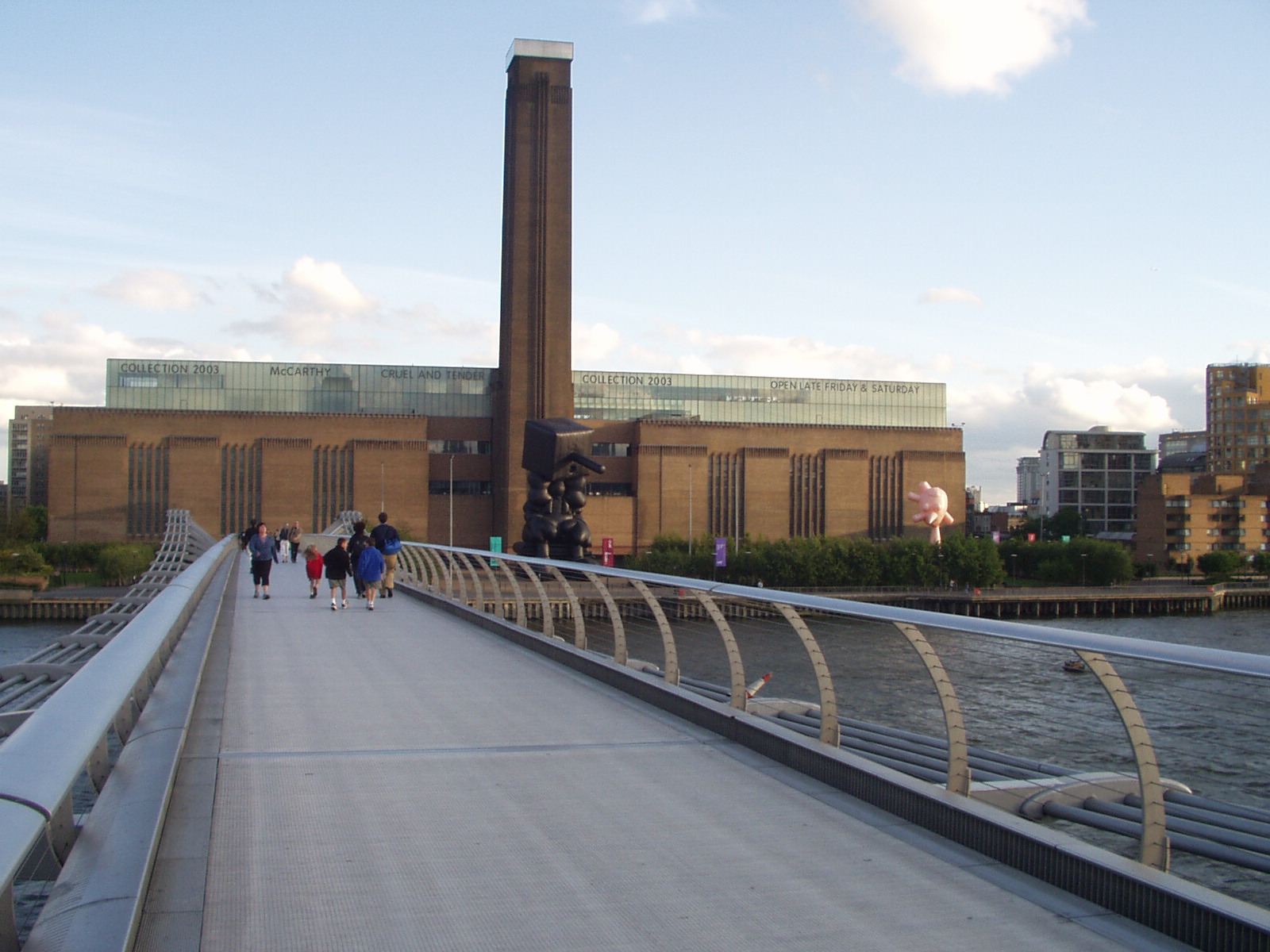
It was in London that I recently became cultured. On Friday, I went first to the National Gallery, and then to the Tate Modern. It seems like London has art up one side and down the other (wherever those sides actually are, I don't know); the National Gallery contains the great works of the world, whatever that means, and the Tate Modern in its turn has the great works of the modern era. I know what that means. It means a small guild of artists went into the Tate Modern, put on blindfolds, and started throwing paint around. It was in the Tate Modern that I, for the first time, left an exhibit in actual fear. Things in the Tate can get out of hand, pretty quickly.
The National Gallery, by the way, contains many paintings from Picasso's Blue Period. I can only hope that when I die, people will anthologize my writings and label one section of my life the Shenanigans Period, where I could not stop using the word "shenanigans."
I spent a lot of time in Hyde Park, on the suggestion of Douglas Adams. "Let's not mince words," Adams wrote, "Hyde Park is stunning." Spot on, Adams. I had planned out an entire day of activities, but ended up scrapping a good deal of it in favor of remaining in Hyde Park. One of the big differences in Rome and London is the space. Rome is extremely compact, and comes off as a Hollywood caricature of a big cities, with big roads that look like alleyways and no actual alleyways at all. London, however, loves its open space, and has alleyways aplenty. Hype Park, as well as other parks scattered across the city, are a testament to how much space they love. It's like a two way mirror, that from the outside looking in the city can see the park, but from the inside out the Park doesn't register the city. Love it.
I went to Westminister Abbey only to see the Poet's Corner, where all the great English figures of art are buried. Yes, Westminister is huge and gilded and a masterpiece, but by this time I have had it up to here, and though you cannot see it I am pointing to a point a little below my left ear, with architecture, so I get to pick and choose what I process as a tourist. So I saw the tombs of Shakespeare, Edmund Spencer, John Milton, et cetera (et cetera in this case encompasses Chaucer, T.S. Eliot, and others) and got repremanded for photographing the tomb of Dickens.
On Saturday, Mary Kate took me to Henry V. This requires a new post, because what I have to say on Henry V cannot possibly be shoehorned into this airport bookstore travel log.
P.S. Spending the night in an airport is a bad idea. Sometimes it is necessary, as if your flight leaves at seven, thus you have to be there at five, but then you have to leave the city at four, et cetera, but if you can avoid it, do, because the reason all benches in all airports have armrests is to prevent people from taking a good night's sleep.


